
Blog
Zero-Waste Veneer Alternative Enters US Markets – GreenBuildingAdvisor
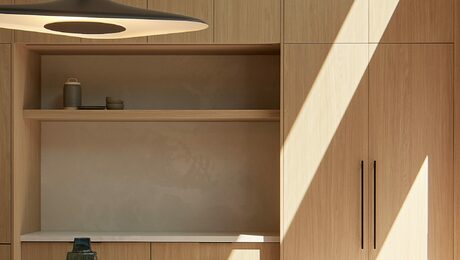
At a time when homeownership is increasingly inaccessible and the home-building trades are plagued by economic uncertainty, it’s good to know there is a growing cast of building materials that are both sustainable and affordable. Up until a few years ago, anything “green”—concrete, steel, aluminum, flooring, paneling, and more—invariably came with a premium; sustainable design was indeed once a pursuit of the well off. Thankfully, this is no longer the case.
Evidence of this abounds, with many examples capitalizing on the sustainability maxim Reduce, Reuse, Recycle. Unilin, a European subsidiary of Mohawk Group, recently secured U.S. distribution for its line of Master Oak decorative panels.
Unveiled in 2022, Unilin Master Oak panels are made from 100% recovered wood, 95% of which is recycled content, and are intended for interior finishes, including wall paneling, cabinetry, shelving, tables, and other applications (pretty much everything except for flooring). This new product is designed as a sustainable and resilient alternative to veneer paneling and traditional plain- or rift-sawn oak, all of which require a large percentage of raw materials. Unilin is now bringing an affordable and high-performance product to market, all while tapping into viable waste streams and maintaining circular economies that have room to grow.
A resilient, recycled product
Despite ongoing supply chain disruptions and labor shortages, wood-based panel manufacturing remains strong in the U.S., with rising demand for medium-density fiberboard (MDF), particleboard, and plywood all leading the way. But when it comes to high-quality paneling, supply is a prevailing concern.
According to Julie Lauwers, campaign manager with Unilin, American consumers “love rift-sawn oak. It’s a beautiful product, but it comes with a sustainability cost.” (On rift-sawn boards, growth rings run parallel to the board edges. This is similar to quarter-sawn, but the precision of rift-sawn cuts means a lower yield…
Weekly Newsletter
Get building science and energy efficiency advice, plus special offers, in your inbox.

Sign up for a free trial and get instant access to this article as well as GBA’s complete library of premium articles and construction details.
Already a member? Log in