
Blog
Understanding the Energy Code: Energy Code Compliance Alternatives – GreenBuildingAdvisor
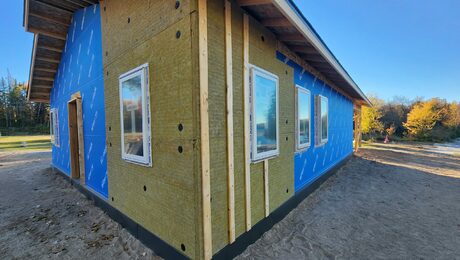
Four options to meet the energy code compliance requirements and an argument why not to use one of them
 By Robby Schwarz |

The process for demonstrating compliance with the energy code begins by communicating to the building department about what we propose to build. There are four primary compliance alternatives that can be used to structure a proposal. When the proposal is approved, we are issued a building permit, but the code compliance process does not end there. We are then asked to prove that the proposed build is indeed built to the design. Inspection, testing, compliance reports and more are all part of demonstrating to the code authority having jurisdiction (AHJ) that we have executed on what we proposed to get the building permit.
The compliance alternatives
The four primary compliance alternatives (from the 2021 IECC) that are used to structure the energy code proposal for how the home will be built are:
- Prescriptive Compliance Option (N1102)
- Total UA Alternative (changed to Component Performance Alternative in the 2024 IECC)
- Simulated Building Performance Alternative (N1105)
- Energy Rating Index Alternative (N1106)
Although the first two compliance paths are within the prescriptive compliance alternative, traditionally builders have fixated on the R-value table as a way to meet the energy code requirements. In this blog post, I will suggest why you should not use the R-value table to meet the intent of the energy code beyond a very general guide for what R-values and U-factor ranges you need to consider in your building assemblies.
R-value and U-factor
First, I am not speaking to the U-factor table N1102.1.2 (R402.1.2). This table addresses assemblies, not the specific insulation component of the assembly that a builder needs to know when creating their proposal. R-values and U-factors are both used to characterize the thermal conductivity of buildings and are reciprocal of each other. The difference is that U-factors are used to describe the total assembly performance and R-values are used to…
Weekly Newsletter
Get building science and energy efficiency advice, plus special offers, in your inbox.

Sign up for a free trial and get instant access to this article as well as GBA’s complete library of premium articles and construction details.
Already a member? Log in
Weekly Newsletter
Get building science and energy efficiency advice, plus special offers, in your inbox.