Blog
To Insulate or Not | Prioritizing Air Control over Insulation – GreenBuildingAdvisor


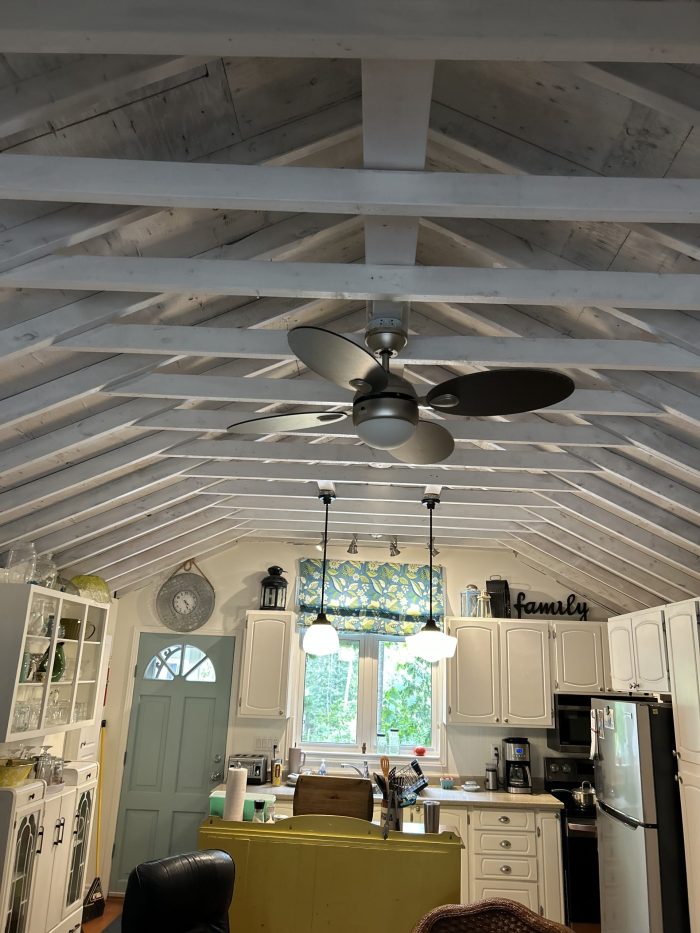
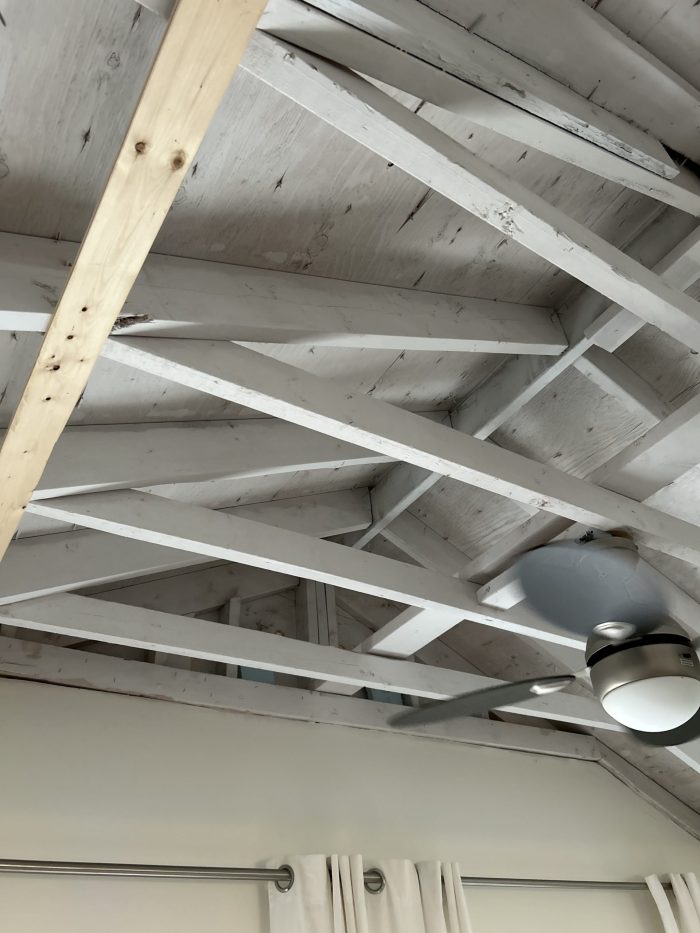
I recently reviewed a 1960s cottage on Lake Huron in Ontario -CZ 5. Currently this seasonal cottage sits on a pier foundation with a vented crawl space. The floor is uninsulated and the crawlspace has no form of moisture management i.e. vapour barrier over the soil. The ceiling in this single-story cottage is wide open with 2×4 rafters visible right through to the backside of the sheathing, (see photos) no insulation here either. I’m not sure if there’s any in the walls but I suspect minimal at best.
The cottage has a couple of in-wall fan coil electric heaters to take the edge off in the spring and fall and extend the cottage season by a couple of weeks. Recently, the owners had a mini split heat pump installed to provide some AC relief and would now like to install a wood ceiling and cover up the open rafter/attic. At this point there are no plans to address the crawlspace or any other areas in the cottage as the upgrades they are looking to make are simply cosmetic at this time. However, with newly installed AC, they are interested in keeping as much of the cool air that they paid for inside of the cottage.
Creating any sort of vented attic is not feasible since the rafters are 2 x 4 and ceiling height restricts us from adding anything to the bottom side. So I guess my main question is, is it worth adding 3 inches of closed cell spray foam between the rafters against the underside of the roof deck and installing a smart air vapour membrane since it is unlikely that the spray foam will act as a complete air management solution in this location. Or, does it simply make more sense to skip the insulation altogether and focus on making the ceiling as airtight as possible by installing a smart vapor/air membrane on the bottom side of the rafters before installing the wood ceiling?
Clearly, without adding Insulation, a good portion of the energy they pay for is going to make its way out through the enclosure, one way or another. However, without a thorough approach to air sealing and the addition of insulation which obviously has cost associated with it, paying the energy penalty may be the most realistic solution. Since the cottage has stood for 60 years and doesn’t appear to have significant structural issues due to rot, etc., maintaining a dry enclosure seems like a more important goal vs improving efficiency. Thoughts?…
GBA Detail Library
A collection of one thousand construction details organized by climate and house part
Search and download construction details