
Blog
The Growing Market for Altitude Simulation Systems – GreenBuildingAdvisor
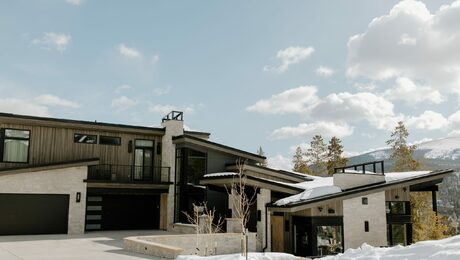
Altitude sickness typically sets in once the human body reaches 8,000 feet, or roughly 1.5 miles above sea level. At this elevation, you’re breathing in about 75% of the available oxygen at sea level, and it continues to decrease at a rate of 3% for every 1,000 feet you ascend. Minor symptoms include dizziness, nausea, shortness of breath, and even small amounts of hypoxic stress. Another common ailment with people not acclimated to such conditions is an inability to sleep, or at least sleep well.
The most populated U.S. cities sitting above 8,000 feet are all in Colorado: Aspen (8,000 ft.), Vail (8,150 ft.), Telluride (8,750), and Breckenridge (9,600 ft.), among a few others. Of course, none of these towns could be considered metropolitan by any measure, but they all draw significant tourism in peak season. Telluride, population 2,500, for example, balloons to 10,000 in the winter months. That’s a lot of headaches!
Traditional remedies include everything from slowing one’s ascent to better acclimate and taking herbal supplements, to employing portable oxygen concentrators, which are popular for healthcare and other therapeutic applications. But short of moving a medical-grade concentrator from one room to the next, or going to bed every night with tubes in your nose, what options exist for the homeowner? The company Altitude Control Technology, based in Edwards, Colo., a few miles west of Vail, offers an interesting solution.
Altitude Simulation
“No matter where you are in the world, at sea level or the top of Everest, every air molecule is 20.9% oxygen. The rest is mostly nitrogen and trace gases,” says Bill Sinclair, CEO of Altitude Control Technology (ACT). “The difference, of course, is fewer air bubbles, so you’re breathing in the same concentration of oxygen, just less of it.”
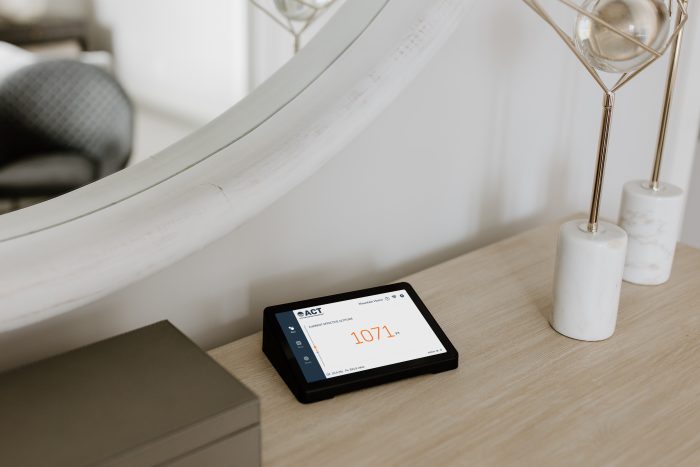
ACT has been around for three decades; the company’s engineers developed the first…
Weekly Newsletter
Get building science and energy efficiency advice, plus special offers, in your inbox.

Sign up for a free trial and get instant access to this article as well as GBA’s complete library of premium articles and construction details.
Already a member? Log in