
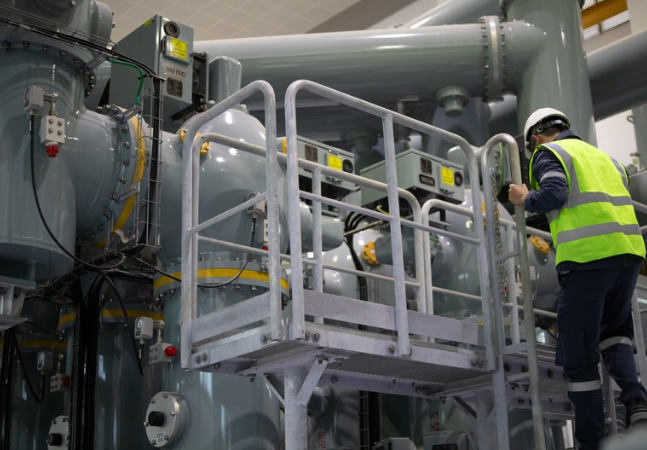
Texas Power Plant Cuts FGD Wastewater Volume by About 93%
Two 50,000-gallon-per-day units feed concentrated residuals into the plant’s existing gypsum-handling system.
- By Danielle Naidu
- September 30, 2026
Flue gas desulfurization (FGD) wastewater at NRG Energy’s WA Parish Unit 8 in Texas has dropped by an average of 91% to 93% since a thermal evaporation system began operating in November 2025.
The system uses two Heartland Water Technology Concentrators, each capable of processing 50,000 gallons of wastewater per day. The project received POWER magazine’s 2026 Top Plant Water Award.
The process essentially uses heat to evaporate much of the water, leaving contaminants and other solids behind in a much smaller amount of wastewater. The remaining material is then sent to the plant’s existing system for handling gypsum and other solids.
According to the project team, the approach allows Unit 8 to come close to eliminating liquid wastewater discharge while making use of infrastructure already at the plant. That avoids creating another wastewater stream that would require separate treatment.
Treating FGD wastewater can be challenging because it may contain metals, dissolved and suspended solids and other contaminants. Its makeup can also change depending on the fuel being used and plant operations, making consistent treatment more difficult.


