
Blog
Repeatability: The Missing Link in Better Housing – GreenBuildingAdvisor
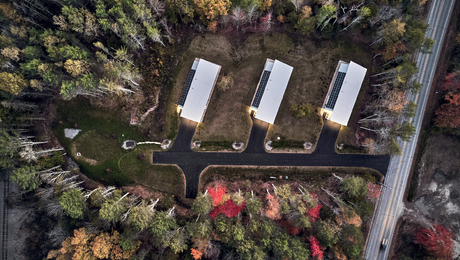
We already know how to build better homes. The challenge is building them consistently enough to refine the process, reduce risk, and improve performance over time
 By Emily Mottram |
If you spend enough time in residential construction, you start to notice a pattern. Every project is treated like a prototype: new plan, new details, new assemblies, new problems to solve. And while that can feel like thoughtful, custom design, it comes with a real cost—not just financially, but in time, coordination, and risk.
The truth is that we already know how to build better homes. We understand the importance of control layers. We understand durability. We understand comfort, indoor air quality, and building for resilience. The issue isn’t always knowledge. The issue is that we don’t build the same thing twice.
Repeatability is not a new idea. In fact, some of the most successful housing models were built on repeatability. In the early 1900s, companies like Sears, Roebuck and Co. sold entire houses through catalogs. You could flip through a book, pick a design, and have every piece shipped to your site. Between 1908 and 1940, Sears sold over 70,000 kit homes across the United States. They weren’t one-off designs. They were productized designs, by in-house architects, engineers, and pattern designers. Every piece was labeled. Every detail was thought through. Builders assembled the same houses again and again, refining the process each time.
And they worked. A lot of those homes are still standing. What’s interesting is that many of the core design decisions in those houses are Pretty Good:
- Modest square footage
- Simple, efficient layouts
- Straightforward rooflines and structure
- Rooms that can be reinterpreted over time
Postwar housing followed a similar model. Developments like Levittown weren’t about customization. They were about consistency. Simple forms, repeatable layouts, and predictable construction meant homes could be built quickly and at a lower cost.
Were they perfect? No. But they were attainable. And they were buildable at scale.
Weekly Newsletter
Get building science and energy efficiency advice, plus special offers, in your inbox.

Sign up for a free trial and get instant access to this article as well as GBA’s complete library of premium articles and construction details.
Already a member? Log in