
Blog
Q&A Spotlight: Future-Proofing a New Build – GreenBuildingAdvisor
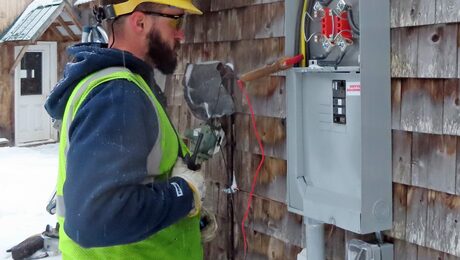
A GBA member planning a new home in Alaska wonders if a 200-amp service will be enough for future electrification—or if installing 400 amps now would be a better long-term investment.
 By Chuck Bickford |

Despite the current administration’s lack of enthusiasm for renewable energy, electrification is still a popular concept in both new and existing homes. Designers, builders, and homeowners are increasingly planning for electric heat pumps, EV chargers, and rooftop solar—even if the road to an all-electric future occasionally feels like we are traveling down a bumpy, unpaved trail.
Policy is moving in that direction as well. New York’s All-Electric Buildings Act will require most new buildings under seven stories to use electric heating and appliances beginning in 2026, with additional building types phased in by 2029. California and other states and municipalities are also phasing out natural gas in new homes. Although the domestic EV market has cooled slightly, renewable electricity from solar and wind continues to expand, albeit at a slower pace.
Still, the leap into an all-electric future can be daunting, as evidenced by a recent post by member “DrBrapp,” who is planning a new 2000-sq.-ft. build in Alaska (CZ 8) this summer. The plan calls for the usual electric service: lights, fans, appliances, A/C, along with hydronic oil-fired heating and a propane cooktop.
Planning for an electric future
With an eye on the future, DrBrapp also plans to upgrade the heating system to a heat pump and save the oil burner for backup, “as soon as R290 refrigerant (propane) is approved in the U.S.” (R290 is now approved only for smaller appliances due to safety concerns.) DrBrapp also sees a rooftop photovoltaic system installed ASAP and an EV charger within 10 years.
Their main concern is whether a 200-amp service will be sufficient to handle the increasing loads. An online load calculator suggests that a 200-amp service should be adequate—and it would simplify the utility paperwork. But the question remains: What happens when future loads increase?
…
Weekly Newsletter
Get building science and energy efficiency advice, plus special offers, in your inbox.

Sign up for a free trial and get instant access to this article as well as GBA’s complete library of premium articles and construction details.
Already a member? Log in
Weekly Newsletter
Get building science and energy efficiency advice, plus special offers, in your inbox.