
Blog
Home energy efficiency and window installation considerations – GreenBuildingAdvisor
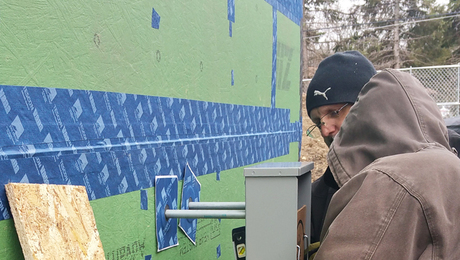
My home was built in 1994 with 2×6 walls, though I am unsure of the exact R-value of the insulation used within the wall studs. I live in Calgary, Alberta, Canada (Zone 4a). In August 2024, we were hit by a severe hailstorm, which led to settling with my insurance company. As part of the rebuilding process, I am proceeding with the replacement of my roof, vinyl siding, and soft metals. Additionally, I have decided to upgrade all the windows and doors in our home to triple-glazed units.
Home Background and Energy Concerns
I have owned this home since 2001. It is a four-level split, front to back. One of the most noticeable energy efficiency issues is that when the furnace stops running, it turns back on within 10-20 minutes. To address this, I replaced the furnace with a 98% efficiency natural gas unit and added air conditioning. Additionally, we increased the attic insulation by 14 inches (per the recommendation of a past contractor).
However, the kitchen and living room have a vaulted ceiling with batt insulation that resembles cutting through a hay bale (as I discovered when installing ceiling speakers). Due to accessibility challenges, we did not add insulation in this area. Experts have advised that spray foam would be the best solution, but it would be a significant undertaking.
Despite these upgrades, we have not seen noticeable energy savings. Our electricity and gas bills remain high: $798 in January 2025 and $690 in February 2025 for our 1,600 sq. ft. home. During summer, when the AC is running, it feels like it never shuts off.
Window Concerns
Since purchasing the home, I have known that the existing windows were inadequate. They are slider windows with felt weatherstripping, which does not seal well. A few years after moving in, I noticed the Window seals had failed, leading to condensation forming between the glass panes. These windows have been a persistent issue, and I am now determined to replace them properly.
I suspect that the primary sources of heat loss in our home are the windows, doors, and possibly insufficient insulation within the walls. Given this, I want to take a comprehensive approach to improving the home’s overall thermal performance and try to keep this Project within budget!!!!
Insulation and Window Placement Considerations
Since we are replacing the siding, my installer has recommended adding DUROSPAN GPS R5 insulation to enhance the home’s R-value and improve its thermal barrier. This leads me to an important decision: should we install innie or outie windows?
A high-end home builder advised that innie windows offer better R-value retention and improved protection from thermal shear. He used an analogy comparing it to an Alaskan parka hood: just as a fur-lined hood creates a microclimate that keeps warmth close to the face, an innie window setup helps retain heat and minimizes wind shear. This explanation makes sense to me, but I want to ensure it is the right approach.
If I choose the innie window method, I will need appropriate flashing to accommodate the 1-1/16 inch foam and the vinyl siding.
House Wrap and Sealing Considerations
Another important aspect of this project is house wrap. The same builder recommended using TYPAR because it breathes and allows condensation to escape, unlike Tyvek, which can trap moisture.
For an innie window setup, I assume the process would involve:
- Wrapping the house with TYPAR up to the window openings
- Installing DUROSPAN GPS R5 insulation
- Sealing the joints effectively (Would Tuck Tape be a suitable option?)
For an outie window setup, I would need to:
- Fur out the window to match the DUROSPAN GPS R5 insulation
- Apply the house wrap on top of the foam
One concern with the outie window approach is how to properly secure the house wrap on foam. I do not want the installation crew using a hammer stapler on foam, as this could compromise the material.
Key Questions
- Is an innie window the best choice for improved insulation and thermal efficiency?
- What type of flashing should be used to accommodate 1-1/16 inch foam and vinyl siding?
- What is the best tape for sealing insulation joints—would Tuck Tape be effective?
- If using an outie window setup, what is the best way to secure the house wrap to foam without damaging it?
I appreciate any insights or recommendations that could help make this project as energy/cost-efficient and durable as possible.