
Blog
Considering Biochar’s Potential in Low-Carbon Concrete – GreenBuildingAdvisor

The environmental and social co-benefits of sourcing from unexpected waste streams
 By Justin R. Wolf |
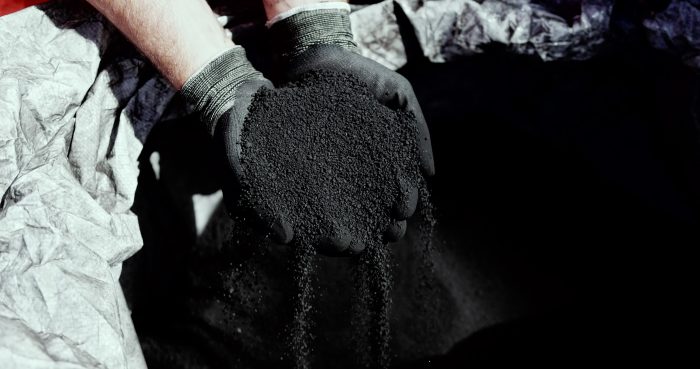
The average clump of biochar is practically indistinguishable from something you might find in a bag of Kingsford charcoal briquettes. And the truth is, their ingredients aren’t all that different. Most biochar is composed of forest or agricultural waste, or biomass, that has been thermally decomposed via pyrolysis, the process of cooking the material in a low-oxygen environment and binding its embodied carbon to the charred yield.
While the use of biochar to improve soil properties is nothing new (ancient Amazonians were fertilizing agricultural lands using charred biomass some 2,000 years ago), the material’s carbon sequestration benefits have recently come into focus. As Martin Holladay wrote on the topic in 2020, biochar represents “a relatively stable form of carbon … [and one] that is not readily released into the atmosphere.” Biochar production has also been heralded as a carbon-negative process, effectively storing carbon that would otherwise be released through burning or natural decay.
Nowadays, biochar is finding new and unexpected feedstocks, and its applications now go well beyond soil remediation.
It’s in the concrete
California-based OurCarbon (an offshoot of Bioforcetech) manufactures a biochar product using what the company calls “impact feedstocks.” Those feedstocks are biosolids, which come from residual solids that are made from the treatment of municipal wastewater. Once procured, those biosolids then undergo pyrolysis to become a new form of biochar, which is now a viable admixture in low-carbon concrete.
Breaking all that down, yes, the company is making biochar from sewage sludge, and yes, that biochar is used to make structural grade concrete. OurCarbon’s biochar is not a substitute for cement but rather an additive that replaces a sizable percentage of the sand required in typical concrete mixes. “We don’t decrease the amount of cement, but we can store hundreds of pounds per cubic yard because we’re…
Weekly Newsletter
Get building science and energy efficiency advice, plus special offers, in your inbox.

Sign up for a free trial and get instant access to this article as well as GBA’s complete library of premium articles and construction details.
Already a member? Log in
Weekly Newsletter
Get building science and energy efficiency advice, plus special offers, in your inbox.