
Blog
Can a Smart Controller Make an Old Water Heater More Efficient? – GreenBuildingAdvisor
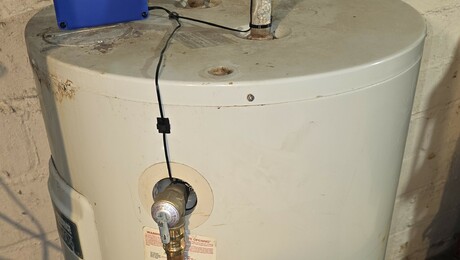
Aftermarket controllers promise remote control, energy tracking, and smarter scheduling for ordinary electric water heaters. I installed one on my own aging water heater to see how well the technology works
 By Randy Williams |
Many seasonal homes and cabins sit empty for days or weeks at a time, yet their water heaters continue maintaining 40 gal. or more of hot water around the clock. The energy waste isn’t enormous compared to space heating, but it’s also not insignificant.
While performing a recent energy assessment for a couple’s vacation property, I recommended they shut off both the well pump and the water heater when the building is unoccupied for extended periods. The problem, of course, is convenience. Nobody wants to arrive at the cabin and wait hours for hot water.
That conversation sent me down a rabbit hole looking at ways to remotely control a standard electric water heater. I already knew “smart” water heaters existed, but I hadn’t looked closely at the availability of aftermarket retrofit controls designed to make older water heaters smarter.
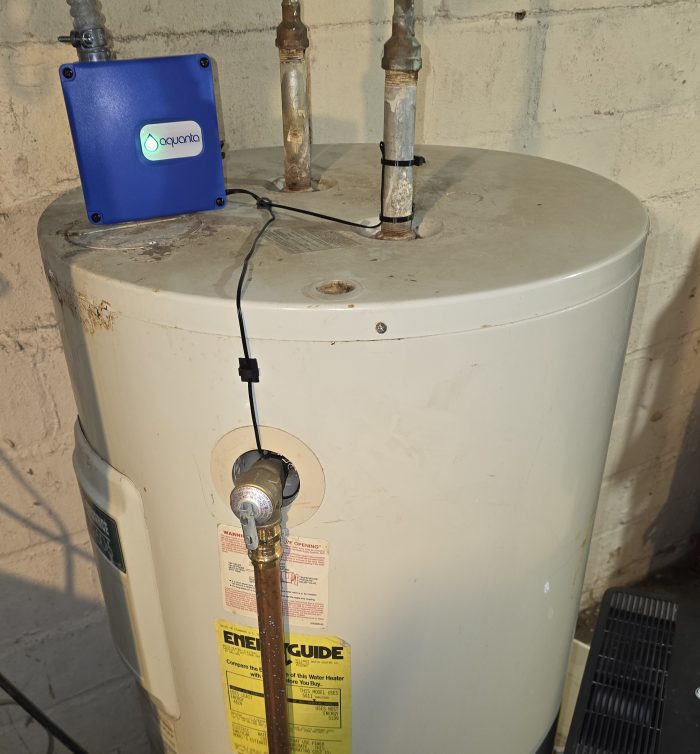
Eventually curiosity got the better of me and I purchased a smart water-heater controller to install on my own aging electric water heater. More on that in a bit.
Water heating can be inefficient
Even well-insulated storage water heaters lose heat continuously through the tank walls and piping. These standby losses force the water heater to cycle periodically even when no hot water is being used.
Adding a water-heater blanket and insulating hot-water piping can help reduce standby losses. Another approach is recognizing when the water heater is actually operating and then adjusting run times based on occupancy patterns and utility rates.
Understanding how the water heater is operating by collecting data is the first step in making efficiency changes.
Water heating for the typical household
Water heating is usually the second-largest energy user in a home behind space conditioning, accounting for roughly 15% to 20% of residential energy use.
Actual consumption varies considerably based on:
Weekly Newsletter
Get building science and energy efficiency advice, plus special offers, in your inbox.

Sign up for a free trial and get instant access to this article as well as GBA’s complete library of premium articles and construction details.
Already a member? Log in
Weekly Newsletter
Get building science and energy efficiency advice, plus special offers, in your inbox.