
Blog
Q&A Spotlight: A Pretty Good Wall for Zone 6 – GreenBuildingAdvisor
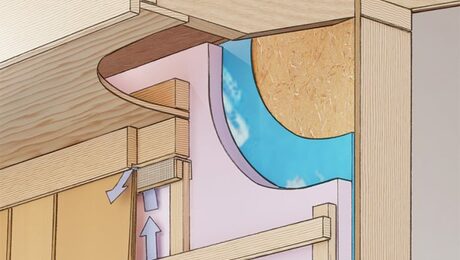
A builder designing a Pretty Good House in Maine wants to know if a vapor-open wall with wood-fiber insulation is the right approach—or are there better options?
 By Chuck Bickford |
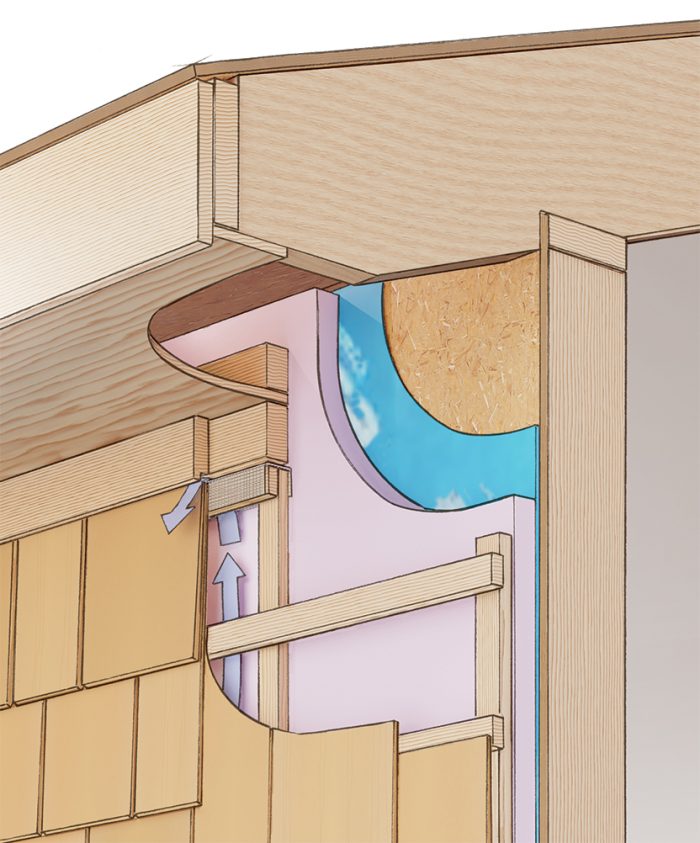
In a recent forum post, member “maggielou” (we’ll refer to them as Maggie) writes that they are designing a small “Pretty Good” house in coastal Maine (CZ 6) and are looking for some feedback on their wall assembly.
“I’m a carpenter and would be building the house myself with my partner, so I can take the time to do the details right. Besides energy efficiency, my priorities are: healthy building materials, a resilient and long-lasting wall, and simplicity. “
For those who aren’t in the know, the “Pretty Good” concept isn’t a half-assed attempt at home building. Pretty Good House refers to a practical approach to high-performance home building that prioritizes efficiency, durability, and simplicity—without the complexity of certification programs.
Posed by builder Dan Kolbert as a group discussion, the idea grew in popularity, appearing in a GBA article and ultimately producing the book Pretty Good House: A Guide to Creating Better Homes, written by Kolbert, Emily Mottram, Michael Maines, and Christopher Briley.
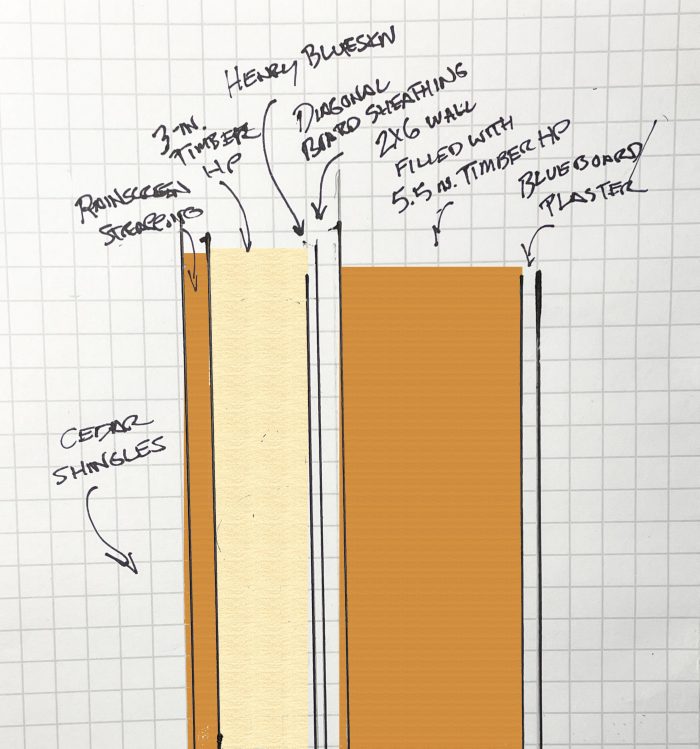
Maggie continues with their proposed wall design, from interior to exterior:
- Blueboard with skim plaster
- 2×6 studs with 5-1/2-in. TimberHP (wood fiber) batts
- Locally milled board sheathing, installed diagonally
- Henry BlueSkin or similar high-perm self-adhered WRB/air barrier
- 3-in. TimberHp wood-fiber insulation board—continuous exterior insulation
- Vertical strapping/rips for a vented rainscreen with additional horizontal strapping for siding nailbase
- Cedar shingles
Concerns about exterior insulation and water exposure
Maggie has questions concerning the exterior insulation. Because they want to sheath the wall with boards rather than sheet goods, the WRB must be installed between the sheathing and the exterior insulation, potentially exposing the latter to water damage. Maggie writes, “I need a self-adhered WRB/air barrier, and I’ve learned that they don’t stick to the wood insulation board products.”
They see…
Weekly Newsletter
Get building science and energy efficiency advice, plus special offers, in your inbox.

Sign up for a free trial and get instant access to this article as well as GBA’s complete library of premium articles and construction details.
Already a member? Log in
Weekly Newsletter
Get building science and energy efficiency advice, plus special offers, in your inbox.