
Blog
New Research Questions the Health Effects of LED Lighting – GreenBuildingAdvisor
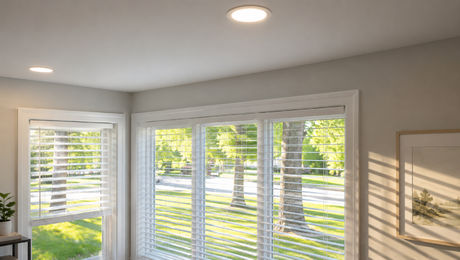
A 2026 report in Nature observes how LEDs’ limited light spectrum can impact mitochondria levels
 By Justin R. Wolf |
Light-emitting diode (LED) technology has long been touted as the energy smart choice for homeowners, offering a combination of efficiency and longevity that incandescent lighting could never match. LEDs convert more electricity into light and less into heat, which contributes to reduced energy consumption. Their versatility and smart home–integrated tech also allow consumers to match specific features, color temperatures, and more to specific needs throughout the home, often without punching holes in the ceiling for recessed lighting, keeping air barriers intact.
Back in 2017 an Energy Star study indicated that LEDs save consumers roughly $6 per bulb per year, and more recent findings project that by 2027 “widespread use of LEDs could reduce our nation’s electricity use equal to the annual electrical output of 44 large electric power plants, and lead to total savings of more than $30 billion.” In all, LED bulbs produce four times the light of a fluorescent bulb and twenty times the light of incandescent bulbs.
LEDs are so great, in fact, that the U.S. Department of Energy acted in 2023 to phase out the manufacturing, importing, and sales of most incandescent bulbs while also revising standards for general service lamps (GSLs). The new standard requires GSLs to produce a minimum of 45 lumens per watt consumed. (Traditional incandescent bulbs produce about 15 lumens per watt and convert a single-digit percentage of its energy into visible light.) A Republican-sponsored bill, the Liberating Incandescent Technology Act of 2025, would effectively rescind that action and repeal the section of the 1975 Energy Policy and Conservation Act that sets GSL efficiency requirements, but that bill has been stalled in committee for over a year.
New research into spectral quality
Putting aside the longevity and lumens-per-watt benefits, new research conducted by two professors from University College London (UCL), published earlier this year in Nature, indicates that widespread…
Weekly Newsletter
Get building science and energy efficiency advice, plus special offers, in your inbox.

Sign up for a free trial and get instant access to this article as well as GBA’s complete library of premium articles and construction details.
Already a member? Log in