
Blog
Passive House Accelerator: Historic Details That Deliver High Performance – GreenBuildingAdvisor
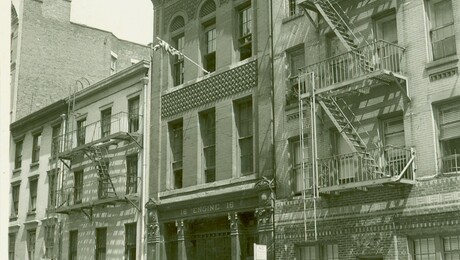
Historic masonry buildings present unique challenges for high-performance retrofits. Here’s how one project balanced preservation, airtightness, moisture control, and thermal performance to achieve EnerPHit certification.
 By Michael Ingui |
The key to successful Passive House retrofits, particularly in historic buildings, is achieving a high level of craftsmanship and getting the details right. Because no two historic masonry buildings are exactly alike, understanding and accounting for the realities of the existing building must be an early step in a retrofit project.
As an initial matter, contractor selection is one of the most important early decisions in a masonry retrofit. Partnering with construction teams who are true artisans reduces much of the friction that can come along with high-performance building. We bring the contractor onto a project after schematic design, and work with them and their teams during design development and construction documents. This enables us to confirm that we are on budget early and, before we’ve designed, to modify details based on constructability, and it starts a process that feels more like a design-build.
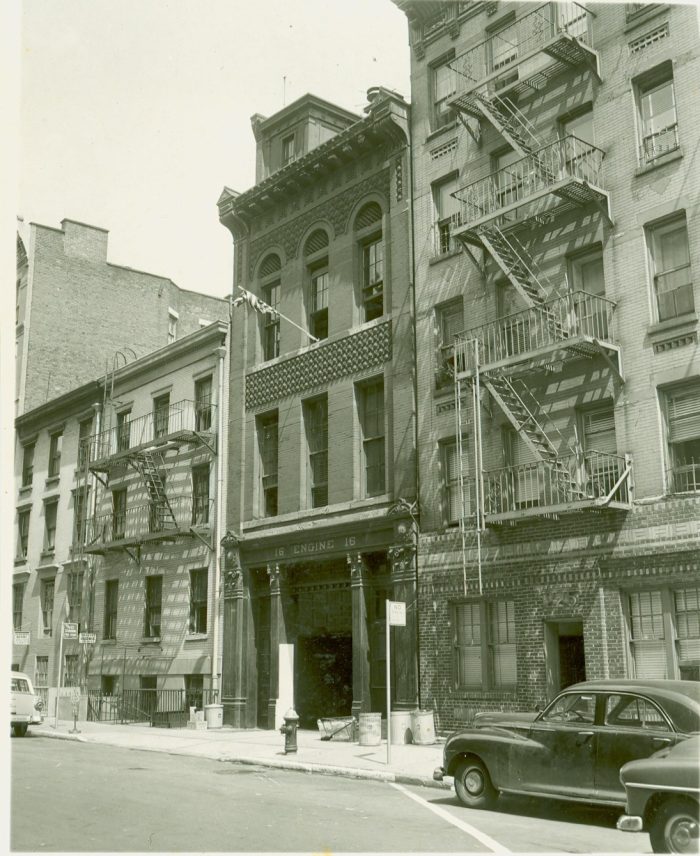
There’s no better way to tie together the importance of the right details and the earlier topics we’ve covered than a fun yet complicated case study. Originally constructed in the 1880s, Engine 16 served as an active firehouse until the 1970s, after which it was repurposed as a church before being purchased by our clients in 2017. We converted it into a mixed-use Passive House building alongside Ed May of bldgtyp, R. Sutton & Co, RJD Engineering, and Kevin Brennan.
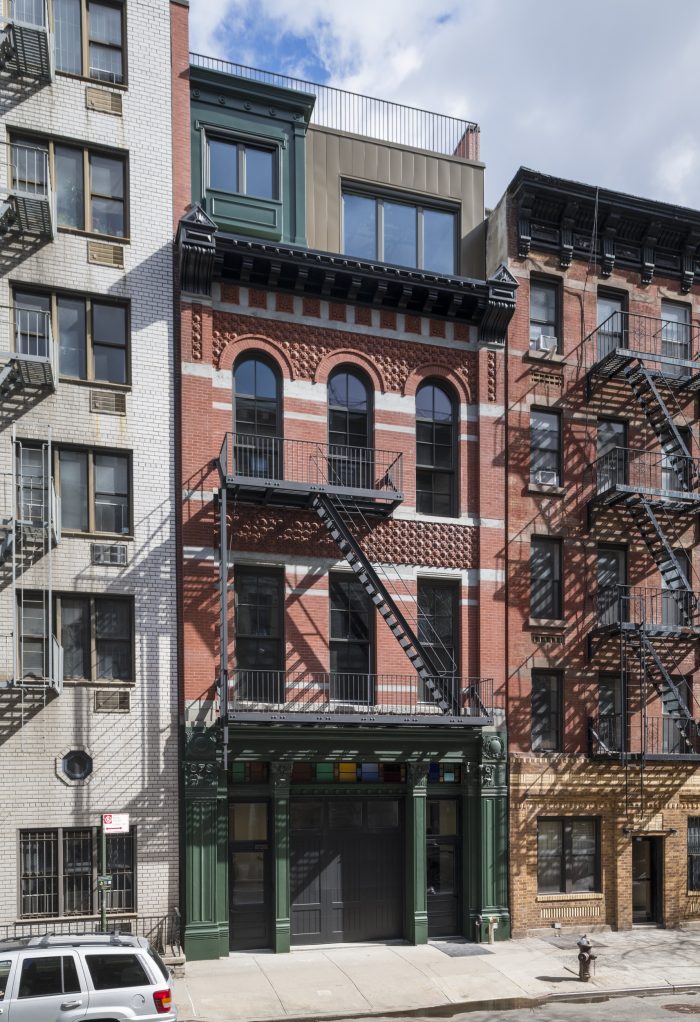
The client’s goals were ambitious: preserve the historic character, adapt the building for mixed-use occupancy, eliminate fossil-fuel systems, and achieve EnerPHit certification. These objectives placed the project at the intersection of historic preservation, climate action, and high-performance building design. The building contains…
Weekly Newsletter
Get building science and energy efficiency advice, plus special offers, in your inbox.

Sign up for a free trial and get instant access to this article as well as GBA’s complete library of premium articles and construction details.
Already a member? Log in
Weekly Newsletter
Get building science and energy efficiency advice, plus special offers, in your inbox.