
Blog
Best way to build a vented attic with cellulose blown in insulation and a flat ceiling – GreenBuildingAdvisor
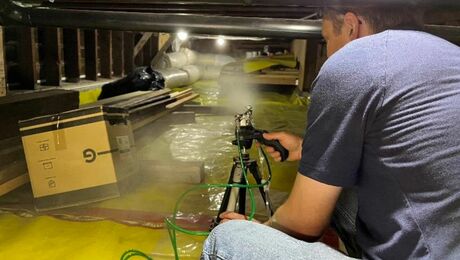
You need to air seal the barrier between the interior and exterior air spaces, and that barrier defines the building envelope. The barrier can be the uppermost level drywall (most common), which is often also the “floor” of the attic under the attic floor joists. If you also have a layer of plywood or OSB over those attic floor joists to make a surface to walk on (so that you can use the attic for storage, for example), then you could seal that plywood/OSB layer, but the drywall is usually easier to air seal.
There is no need to air seal the roof sheathing — the plywood or OSB used over the rafters that supports the shingles — with a vented roof assembly. With a vented roof, you are intentionally allow outdoor air to flow through the attic space, so the air in the attic is considered to be “outdoor air” and it’s outside the building envelope. Since you only need to air seal the building envelope, you don’t need to air seal any layers that aren’t part of that, which includes the roof sheathing, shingles, and things like interior walls.
The usual way to go with what you’re describing is to air seal the upper most floor’s ceiling, which is typically a layer of drywall. You don’t have to air seal anything else in the attic that is “above” that ceiling drywall air barrier layer.
Bill