
Blog
Venting a Vented Rainscreen – GreenBuildingAdvisor
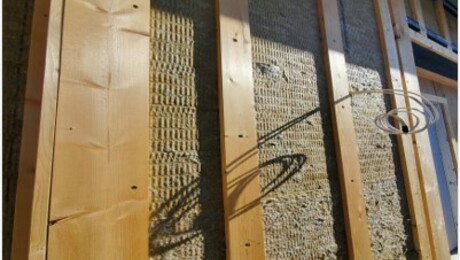

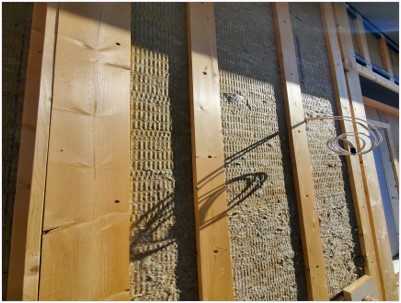
We don’t build our homes to be perfect water barriers. No matter how carefully we construct a wall, some water will eventually find its way behind the cladding. Because of this, it’s best to provide a pathway for that moisture to escape. Even better, we can move air through the cavity to speed up drying. This draining and drying system is called a rainscreen.
If we want air to help dry the cavity behind the cladding, we need a few things: a pressure differential and at least two openings—an entry and an exit. This is the same principle behind attic ventilation, crawlspace ventilation, and, in today’s discussion, vented rainscreens.
Drainable vs. vented rainscreens
A drainable rainscreen provides only a narrow gap—typically less than 3/8-in.—between the back of the cladding and the house wrap or continuous exterior insulation (CEI). The gap allows water to drain but doesn’t promote meaningful airflow. If water gets trapped, it can wet the moisture-sensitive materials behind the WRB (similar to what happens if you touch tent fabric during a rainstorm).

Products such as Tyvek DrainWrap and Benjamin Obdyke’s HydroGap are two products that fall into this category. They are effective at drainage but don’t promote significant drying.
A vented rainscreen, on the other hand, provides a larger space for both drainage and airflow—typically at least 3/8-in., with 3/4-in. being better according to most building scientists. For both systems, gravity pulls water downward, so a drainage path at the bottom of the wall is essential. What sets a vented rainscreen apart is the addition of a second opening at the top, which allows air…
Weekly Newsletter
Get building science and energy efficiency advice, plus special offers, in your inbox.

Sign up for a free trial and get instant access to this article as well as GBA’s complete library of premium articles and construction details.
Already a member? Log in
Weekly Newsletter
Get building science and energy efficiency advice, plus special offers, in your inbox.