
Blog
Understanding the Energy Code: When Building Cavities Become Ducts – GreenBuildingAdvisor
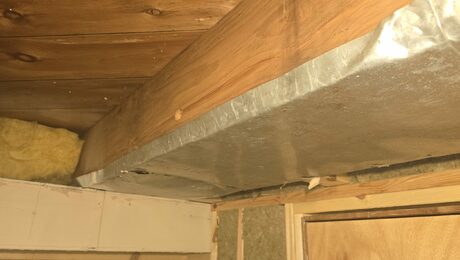
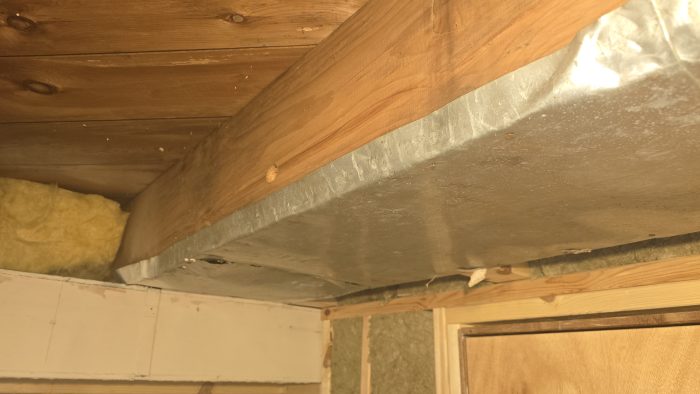
Building cavities aren’t ducts—and the energy code has said so for years. So why do we still see them in new homes?
 By Robby Schwarz |
A Green Building Advisor feed crossed my desk the other day with an article titled The Mold Explosion. Naturally, it caught my attention. I quickly read it, curious why I hadn’t seen an “explosion” of mold issues in the homes I work on. Yes, Colorado is relatively dry, but if mold were suddenly blooming everywhere, I’m confident I’d have heard about it.
The takeaway—as I read it—was that today’s homes are more susceptible to mold because so many things have changed: materials are more vulnerable, drying potential is lower, our expectations for airtightness and comfort are higher, and attention to moisture-management details is still lacking. In other words: we have more mold risk, not a literal mold “explosion.”
Only later did I realize the piece was a repost of a 2006 Fine Homebuilding article by Joe Lstiburek—someone I have enormous respect for. Thinking back on what I had just read, one bolded section in particular stood out:
Ductwork: The Mold Superhighway
“Walls, floors, and ceilings are hollow cavities. These hollow cavities with insulation in them can’t control airflow or moisture. We’re inadvertently building complex three-dimensional airflow networks.
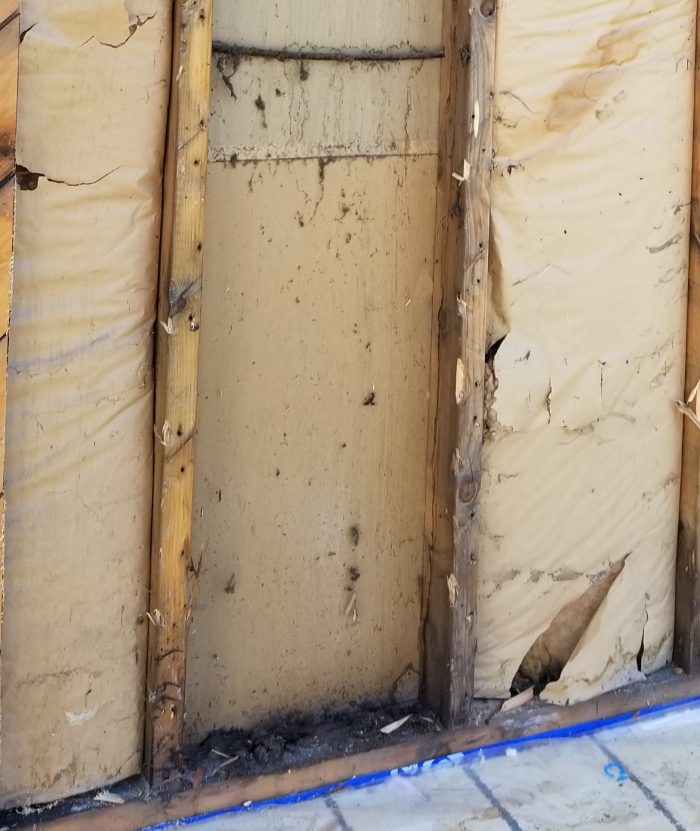
…Residentially, we do the same thing with forced-air heating and cooling when HVAC contractors bang a few pieces of sheet metal on the underside of a floor joist or a stud cavity and call it an air return…
This inadvertent linkage of the occupants to the envelope via the mechanical system is something that nobody expected or predicted. When we add this piece to the three others that I’ve described, it answers the question, ‘Mold, why now?’”
Joe’s…
Weekly Newsletter
Get building science and energy efficiency advice, plus special offers, in your inbox.

Sign up for a free trial and get instant access to this article as well as GBA’s complete library of premium articles and construction details.
Already a member? Log in
Weekly Newsletter
Get building science and energy efficiency advice, plus special offers, in your inbox.
