
Blog
12 Common Blower Door Testing Mistakes (and How to Avoid Them) – GreenBuildingAdvisor
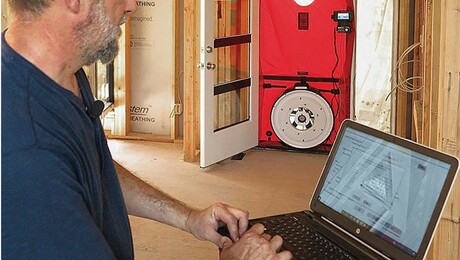


I’ve been performing blower-door tests since 2009. In that time, I’ve learned that the procedure itself isn’t complicated — but the details can trip you up. A blower-door test has a series of steps that need to be followed; things to check, measure, shut, open, turn off, or seal. Setting up the blower door itself is the easy part, and the actual test can be over in a few minutes. What takes time (and skill) is preparing the building and the manometer so the numbers you get actually mean something.
It’s surprisingly easy to miss a step that skews your results. I’ve made every mistake on this list at least once. To make sure nothing major was left out, I asked Jake McAlpine of Minneapolis Blower Door and Sam Myers of Retrotec to review the list and add their insights. Together we came up with the twelve most common errors that creep into blower-door testing — I’d bet a couple of these issues you might not think of, even if you are experienced.
Wrong fan range or software setting
Houses vary tremendously in airtightness, so the amount of air your blower-door fan must move to maintain 50 Pascals (50 Pa) changes from job to job. That’s why blower-door fans are designed with adjustable flow areas. Retrotec uses a low‑flow plate with a pattern of holes you plug for tighter homes. Minneapolis Blower Door uses concentric low‑flow rings that snap into the fan housing, offering several distinct ranges when using the optional smaller rings.
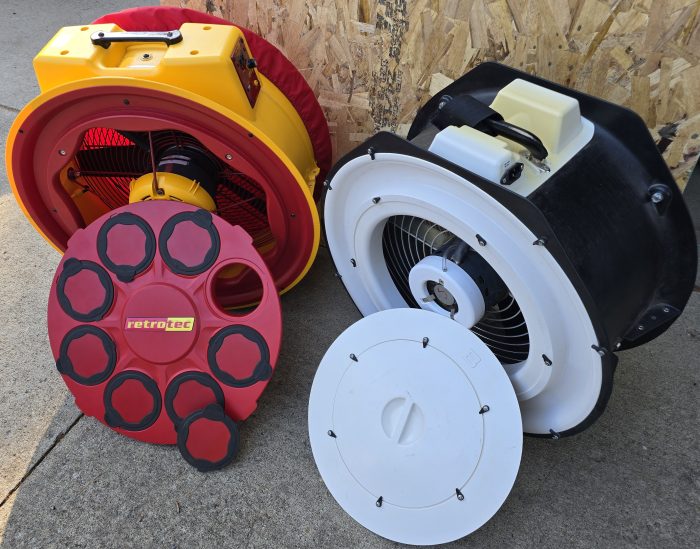
These settings exist to make sure the fan can measure flow accurately. But if you set the manometer, app, or software to the wrong fan configuration, your results will be wrong. Sam Myers told…
Weekly Newsletter
Get building science and energy efficiency advice, plus special offers, in your inbox.

Sign up for a free trial and get instant access to this article as well as GBA’s complete library of premium articles and construction details.
Already a member? Log in
Weekly Newsletter
Get building science and energy efficiency advice, plus special offers, in your inbox.