
Blog
More Than a View: Balancing Design, Comfort, and Performance – GreenBuildingAdvisor
EDITOR’S NOTE: This post is part of the Expert Exchange series, an editorially directed and expert-driven platform for information and discussion around leading-edge building science principles and projects. This series—made possible with support from our sponsor, Andersen Windows and Doors—is titled “Energy Smart Details for Windows and Doors.”
Windows are so much more than holes in the wall—they shape how we experience light, air, views, comfort, and energy use in our homes. From medieval time where windows were actually holes in the wall, to modern triple-glazed tilt-turns, the evolution of windows has mirrored our growing understanding of health, performance, and aesthetics in the built environment.
Today, choosing the right windows for a new home or renovation can feel overwhelming. Do you prioritize cost, performance, operation, or appearance? Do you go for U.S.-made or imported? Triple pane or double? Fixed or operable? My favorite answer: “It depends.”
Let’s look at what really matters when choosing windows.
Location: Where You Live (And Where You Put Them)
Location affects everything—both the geographic climate and the physical placement of the window in the building. In cold climates, a high-performance window helps with heat retention and reduces condensation. In hot-dry or hot-humid zones, it’s more about keeping solar heat out and improving cooling efficiency.
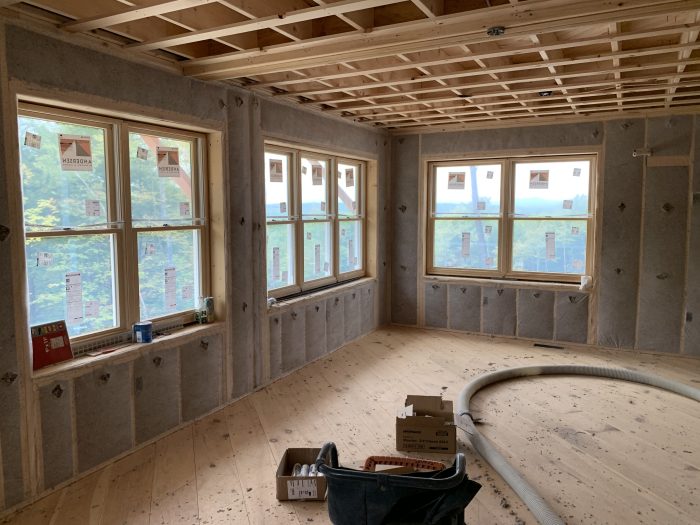
Strategic window placement also matters. Windows should be located to maximize daylight and view while minimizing unwanted heat loss or gain. For example, north-facing windows in cold climates are better minimized, while south-facing windows might be optimized for solar gain if properly shaded in the summertime.
Window-to-Wall Ratio: Form Follows Function
Aesthetically, most homes look balanced when the window-to-wall ratio (WWR) on the main façade falls between 20% and 40%. Modern design styles may push that higher—up to 50% to 60%—but this must be carefully managed to avoid excessive heat gain/loss, glare, and structural complexity.
From a performance standpoint, windows are the poorest-performing piece in the building envelope. The difference between 20% glazing and 40% glazing can be significant. In code-compliant building, a standard window would have five times more heat gain than an insulated wall. If performance is your goal, you can have a much bigger impact by reducing the overall window to wall area and selecting where to place your glazing for optimal view, daylighting, and aesthetics.
So before upgrading, it may be smarter to reduce overall glazing area or to reposition windows for better efficiency and daylight.
What the Numbers on the Label Really Mean

When comparing windows, aesthetics matter—but so does performance. Key metrics help you understand how a window will perform in your home.
U-factor measures thermal performance: the lower the number, the better it performs for heat loss/gain. Even the best window performs worse than a code-minimum wall, but in cold climates, lower U-factors help prevent condensation and improve comfort near the glass.
Solar heat gain coefficient (SHGC) tells you how much of the sun’s heat passes through the glass. In colder climates, a higher SHGC can help with passive solar gain, while in cooling-dominated climates, a lower SHGC helps reduce cooling loads. Low-e coatings are designed specifically to manage this.
Visible transmittance (VT) reflects how much daylight gets through. Rated from 0 (opaque) to 1 (perfectly clear), optimal windows fall between 0.4 and 0.8. Lower VT often indicates darker or tinted glass, typically due to coatings that also reduce SHGC. Even insect screens can reduce VT by up to 40%, so consider that when choosing windows as well.
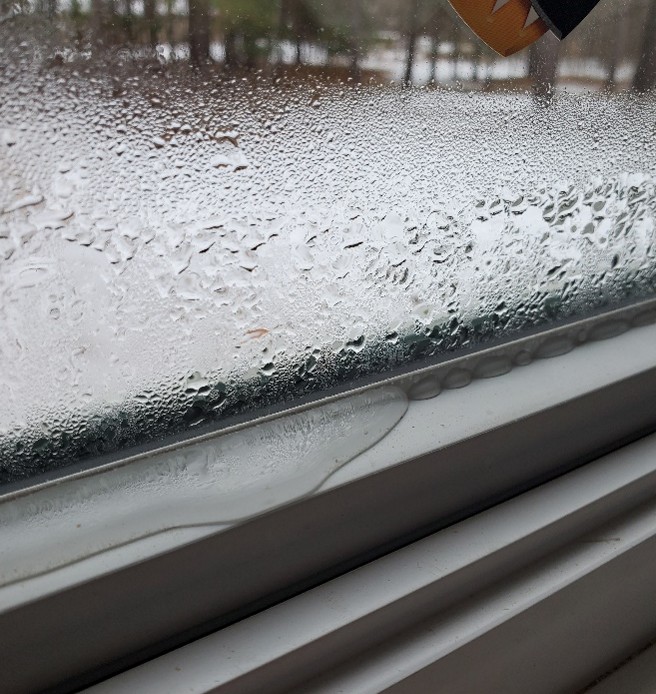
Condensation resistance (CR) is listed from 1 to 100 and indicates how likely a window is to form condensation on the interior surface. A score of 50 or higher is a good target, especially in cold or mixed climates, because condensation can lead to mold growth and possible window durability issues.
Air leakage measures how much air passes through the window assembly, expressed in cubic feet per minute per square foot (cfm/ft²). Lower values mean tighter construction and better installation. In fact, lower energy bills after a window replacement often come from better installation and improved air-sealing rather than the upgraded windows themselves.
Design pressure (DP) refers to the maximum wind pressure a window can handle without failing. The window itself is tested in the lab. DP is expressed in pounds per square foot (psf), reflecting the window’s structural integrity, airtightness, and resistance to water intrusion. While thermal and visual performance often dominate the conversation, design pressure is essential for structural safety—especially in coastal, windy, or exposed sites. Coastal homes, tall buildings, and areas subject to hurricanes or high winds should use windows rated DP 50 or higher—and sometimes also impact-rated.
Operation and Air Leakage: Beauty Meets Function
Beyond performance, how a window opens affects usability, airtightness, and style. Some quick notes:
| Style | Air Leakage | Notes |
| Fixed | Lowest | No moving parts = best efficiency |
| Casement/Awning | Low | Hinged; compress against gaskets |
| Tilt/Turn | Low | Opens like a door or tilts in; common in Europe |
| Double/Single Hung | Higher | Easier to damage seals; common in U.S. |
| Slider | Higher | Simple, but harder to seal tightly |
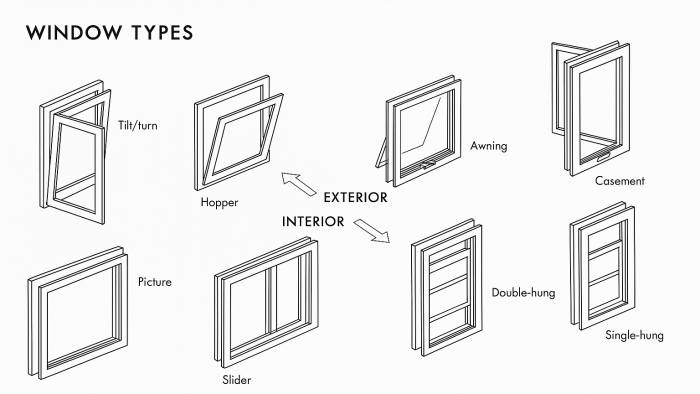
Windows that swing and seal (like tilt/turns and casements) typically outperform sliding or hung styles for airtightness, but they may interfere with furniture, curtains, or circulation (tilt/turn) or be damaged by wind and rain when left open (casement). Moving to triple-pane windows also requires upgrades in the hardware to be sure the window operates and does not sag over time. Adding additional panes of glass often makes the frame of the window larger and can impact the amount of glazing that fits in the window sash. This is important to understand if you have smaller window openings or are considering moving to triple-pane when replacing windows in existing openings.
Other Important Considerations When Choosing a Window
Windows are commonly available in wood, vinyl, fiberglass, composite, or aluminum. Many combine materials—like wood interiors with aluminum cladding—to reduce exterior maintenance. European tilt/turn windows are typically custom-sized, while U.S.-made options often follow standard sizing. Although custom sizing may be available, sticking within standard sizes makes windows more cost-effective, easier to source, and ultimately easier to replace.
Planning ahead is essential. While European windows have become more competitively priced, they often come with longer lead times—typically 12 to 14 weeks. This can be true for some North American products as well. Ordering too late can delay construction, but ordering too early risks damage if windows sit uninstalled on-site. Timing matters, but so does installation.
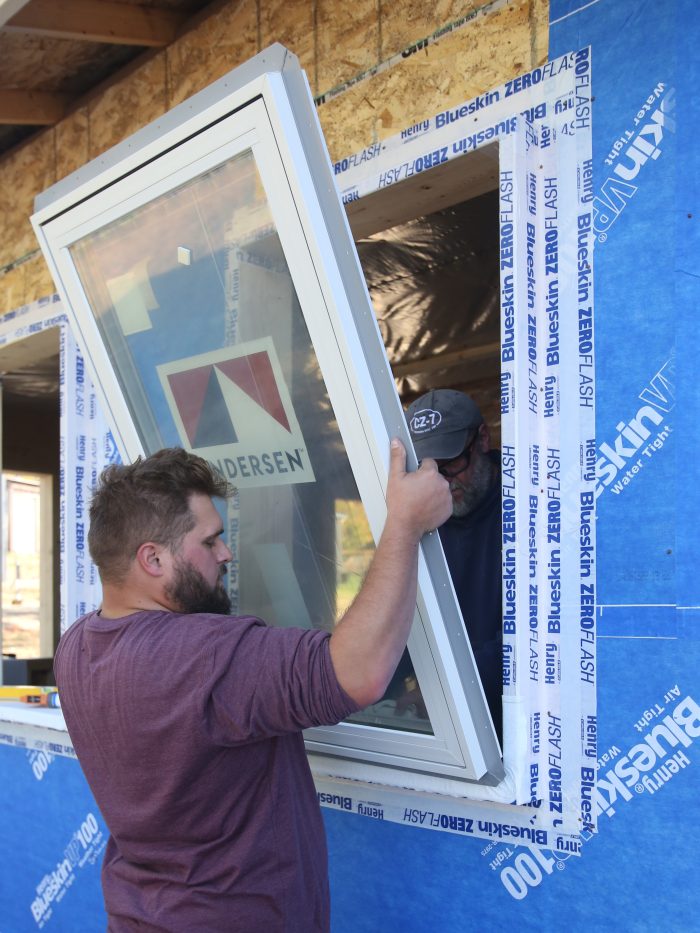
Installation isn’t just about protecting windows from job-site damage—it’s about integrating them into the building envelope. Consider how each window will be installed (from inside or outside), how heavy it is (and whether lifting equipment is needed), how to prep the opening to prevent moisture issues, and how to properly flash to control air and water infiltration. Windows are among the weakest links in the building envelope and are known for long-term water damage if poorly installed. Details matter, especially when tying a new window into an existing building envelope.
Laminated and tempered glazing add safety but also cost. The IRC sets rules for where safety glazing is required—near doors, floors, and wet areas (R308) and emergency egress (R310). With smart design, safety requirements can sometimes be avoided by adjusting placement—such as keeping operable doors 24 in. from glass or raising windowsills above 18 in. from the floor. For egress it will be important to check and make sure the window you are selecting meets the requirements for egress from bedrooms, which differ between first- and second-floor bedrooms.
Putting It All Together
Windows are a long-term investment. The choice isn’t just about the unit price—it includes performance, safety, comfort, durability, style, and energy savings. Window selection is a design and comfort choice as much as a technical one. It’s about how they shape the look of your home, how they feel to sit beside on a sunny winter day, and how they contribute to your energy bills for the next 30 years. Ask the right questions—design and performance are inseparable. Make the investment wisely—and don’t forget that when it comes to making the right choice, it depends.
Emily Mottram is the founder of Mottram Architecture in Maine, and co-author of Pretty Good House: A Guide to Building Better Homes.
Weekly Newsletter
Get building science and energy efficiency advice, plus special offers, in your inbox.