
Blog
The Amazing Thing About Low-Temp Hydronics – GreenBuildingAdvisor
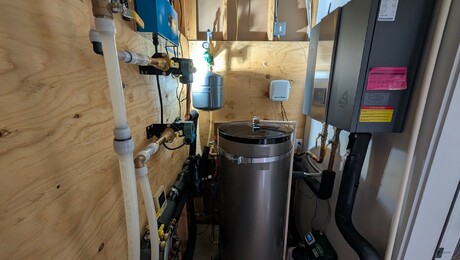

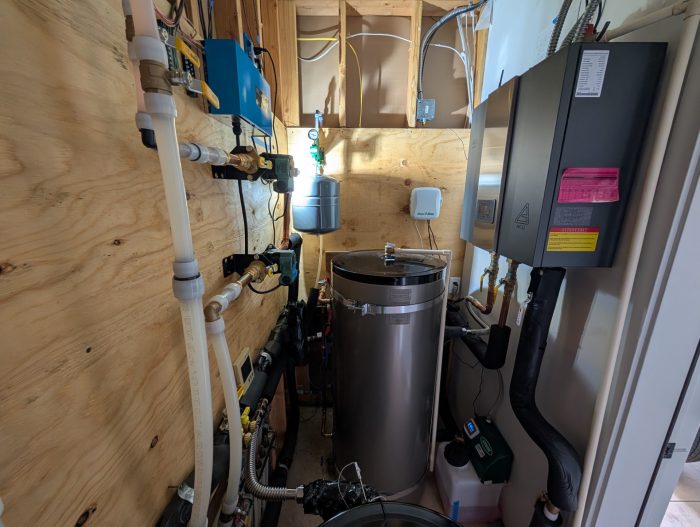
There’s something kind of wonderful about being able to heat a whole house with what amounts to a glorified curling iron. But here I am, in my 2,380-sq.-ft. Oregon home, doing just that.
As an engineer with decades in avionics and a heart rooted in STEM education (science, technology, engineering, and mathematics), I’ve always found joy in systems that work with nature rather than against it. So when I talk about low-temperature hydronics, I don’t just see PEX pipes or radiant loops—I see a teaching tool, a sustainability play, and frankly, a marvel of energy efficiency.
The amazing thing about low-temp hydronics is exactly that: efficiency. We’re talking about a system that sips energy gently while delivering consistent, cozy comfort. For 360ish days a year, my heat pump gently hums along in the background using less power than a hair dryer. And on those few truly chilly days in February? Okay, maybe we ask a bit more. But even then, it’s impressive.
Why 95°F Water Matters
Low-temp hydronics works because of physics. Specifically: delta T—the difference between outside air temperature and the temperature of the heating fluid. With my thermostat set at 70°F and my system designed to deliver 95°F water at 4 GPM when it’s 30°F outside, my system is only lifting the temperature by 65°F. Compare that to a steam radiator that has to reach 212°F—meaning a delta T of nearly 180°F. That’s why we moved on from steam.
An air-to-water heat pump is a perfect solution for low-temp hydronics. Instead of burning fuel to create heat, a heat pump moves heat from the air to generate 95°F water, which is then circulated through 2000 ft. of PEX tubing embedded in a 70-ton concrete slab for radiant-floor heating. Heat…
Weekly Newsletter
Get building science and energy efficiency advice, plus special offers, in your inbox.

Sign up for a free trial and get instant access to this article as well as GBA’s complete library of premium articles and construction details.
Already a member? Log in
Weekly Newsletter
Get building science and energy efficiency advice, plus special offers, in your inbox.